
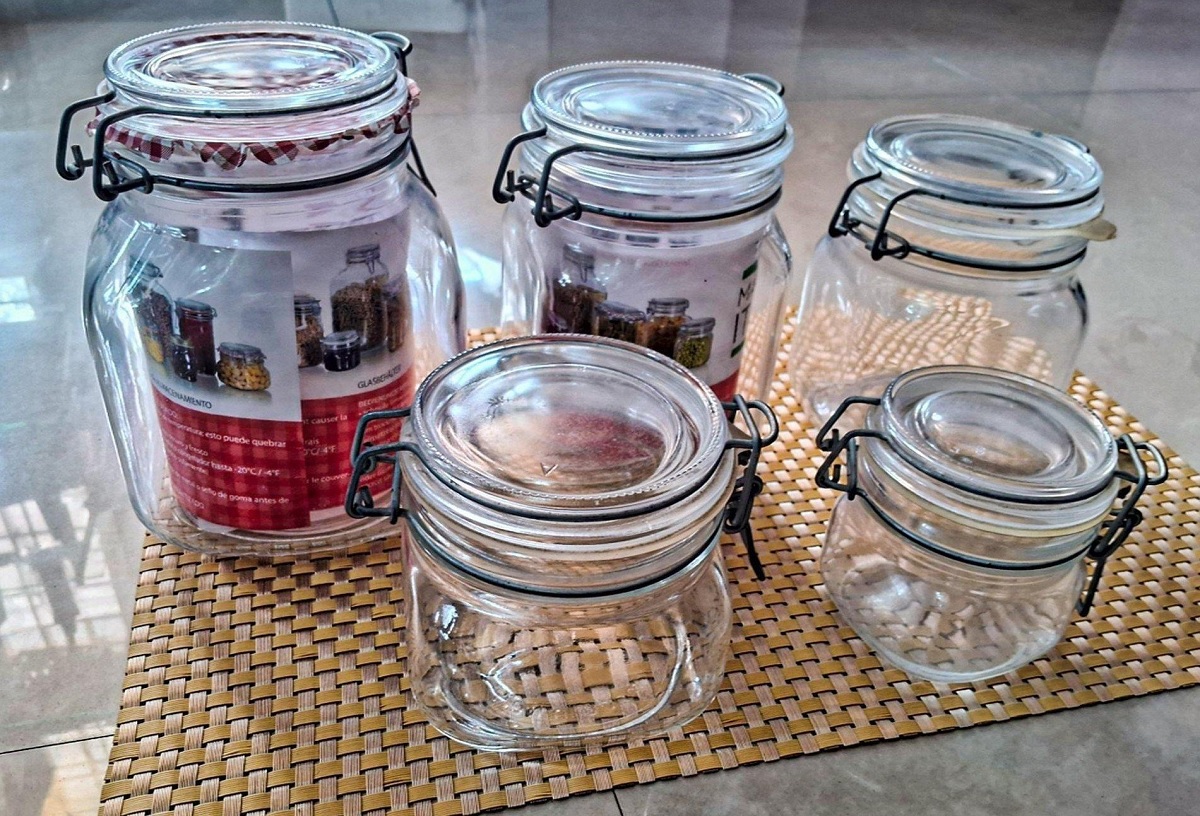

A jar with lock lid sits inconspicuously on countless kitchen counters worldwide, yet few recognise the revolutionary design that has quietly transformed how we preserve, store, and transport our most valued consumables. These unassuming vessels—with their distinctive clasps, silicone seals, and satisfying ‘click’ when secured—represent a pivotal innovation in domestic storage that balances functionality with an aesthetic appeal that has endured for generations.
The Unexpected History Behind the Seal
The modern lock lid jar traces its lineage back to 1895, when Johann Weck revolutionised home preservation with his iconic design. What began as a practical solution for food preservation during lean times has evolved into something approaching cultural touchstone. These vessels withstood wars, economic depressions, and the convenience revolution that followed—never quite disappearing, but adapting and evolving with changing domestic needs.
“Singapore households increasingly value sustainable storage solutions that combine practicality with durability,” notes a recent consumer trends analysis from the Singapore Retail Association. “Lock lid jars satisfy both requirements while adding aesthetic appeal to modern kitchen spaces.”
The resilience of this design speaks volumes about human ingenuity and our constant search for perfectibility in everyday objects.
Beyond Preservation: The Modern Renaissance
The contemporary resurgence of lock lid jars stems from several concurrent societal shifts:
- Growing environmental consciousness and plastic reduction efforts
- The rise of bulk shopping and zero-waste lifestyles
- Increased attention to food freshness and longevity
- Aesthetic minimalism trending in home design
- Cross-generational appeal spanning traditional and modern sensibilities
The lock lid jar’s renaissance demonstrates something profound about consumer behaviour: functionality alone rarely drives widespread adoption. Rather, it’s the marriage of utility with emotional satisfaction—that deeply satisfying ‘click’ of the lock, the visual alignment of contents, the transparent display of colours and textures within—that creates lasting appeal.
The Science of Preservation
What makes these containers so effective goes beyond mere aesthetics. The engineering behind a proper lock lid jar creates a hermetic seal that:
- Prevents oxygen exposure that accelerates food degradation
- Creates pressure differentials that inhibit bacterial growth
- Maintains optimal moisture levels for various contents
- Blocks external contaminants including pests, dust and humidity
- Preserves volatile compounds responsible for flavour and aroma
“The efficacy of Singapore’s traditional lock lid jar systems for tropical food preservation has been extensively documented,” reports the Singapore Food Agency in their traditional preservation techniques guide. “These methods remain relevant even in modern kitchens equipped with refrigeration.”
This scientific reliability explains the enduring trust households place in these seemingly simple containers.
Beyond the Kitchen: Unexpected Applications
While food storage remains their primary purpose, ingenious users have discovered countless applications for these versatile vessels:
- Craft supply organisation with visible contents
- Terrarium creation for small plants
- Portable meal containers for commuters
- Batch cocktail preparation and transport
- Small valuables storage while travelling
- Display containers for collectibles and memorabilia
This adaptability further explains their persistent popularity across varied demographics and use cases.
Selecting the Perfect Vessel
Not all lock lid jars are created equal. Discerning consumers should consider several factors when investing in these storage solutions:
- Seal integrity and material composition (silicone versus rubber)
- Glass thickness and impact resistance
- Lock mechanism durability and ease of operation
- Heat tolerance for sterilisation purposes
- Capacity gradations and space efficiency
- Aesthetic compatibility with intended display location
The initial investment in quality specimens typically yields dividends through extended lifespan and improved functionality.
The Environmental Calculus
In an era of increasing environmental consciousness, the durability of glass lock lid jars represents a compelling alternative to disposable plastic containers. Their indefinite reusability—many households still use specimens passed down through generations—creates a vanishingly small environmental footprint per use over their lifespan.
This sustainability narrative has proven particularly resonant with younger consumers seeking alternatives to the disposable economy, without sacrificing the convenience modern life demands.
The Future of Preservation
As we look ahead, manufacturers continue refining these time-tested designs with subtle innovations: improved silicone formulations for better seals, more precise glass manufacturing techniques, and lock mechanisms engineered for improved durability and ease of use.
The Digital-Analogue Interface
What’s particularly fascinating is how these decidedly analogue containers have found their place within our increasingly digital lives. In cramped Singapore flats where space commands a premium, the transparent nature of these vessels creates a visual inventory system—no app required. Each container communicates its contents at a glance, democratising organisation across generations and technological comfort levels.
“The renewed interest in traditional preservation methods using lock lid jars represents a fascinating countertrend to digital food delivery culture,” observes the Singapore Culinary Heritage Foundation. “We’re witnessing younger generations reconnecting with preservation techniques their grandparents considered essential knowledge.”
This cross-generational knowledge transfer happens naturally around these objects, as experienced preservers pass down techniques, recipes, and sometimes the vessels themselves—each bearing the invisible patina of family history and shared meals.
While technology transforms countless aspects of domestic life, some solutions achieve a state approaching perfection—where radical reinvention becomes unnecessary. The lock lid jar exemplifies this principle, demonstrating that sometimes, the most revolutionary technologies are those that endure with only incremental improvement, rather than wholesale reinvention.
For kitchens, pantries, workshops and beyond, the humble yet indispensable lock lid jar continues its quiet revolution in how we contain our world.