
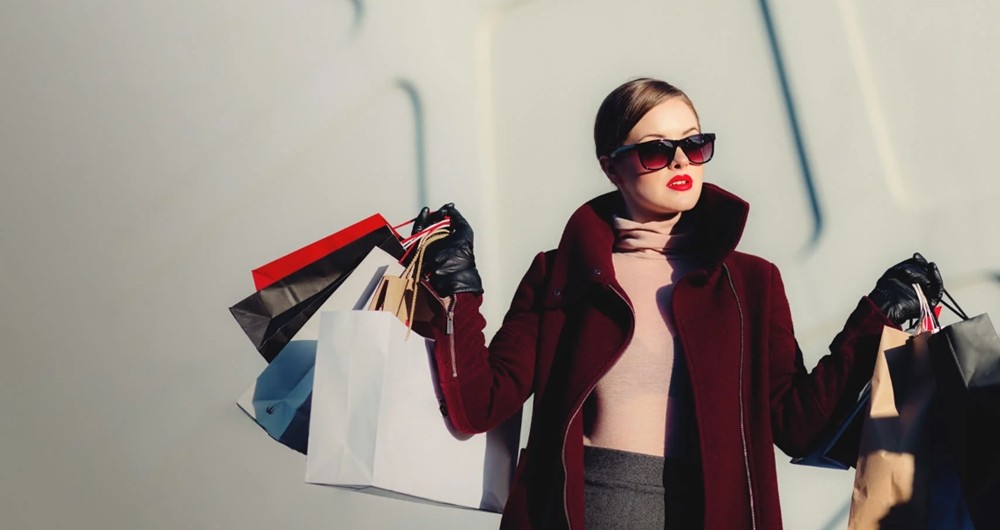

Luxury fashion is no longer defined solely by exclusivity and price. Today’s consumers are reshaping the industry through shifting values, digital habits, and evolving expectations. As a result, luxury fashion brands are adapting their strategies to remain relevant in a fast-changing global market.
- The Traditional Meaning of Luxury Fashion
- The Rise of the Modern Luxury Consumer
- Digital Transformation and Luxury Shopping
- Sustainability and Ethical Expectations
- Experience Over Ownership
- The Shift Toward Individual Expression
- The Future of Luxury Fashion
- Frequently Asked Questions (FAQs)
- 1. Why is consumer behavior changing in luxury fashion?
- 2. Are younger generations interested in luxury fashion?
- 3. How important is sustainability in luxury fashion?
- 4. Does digital shopping reduce luxury brand value?
- 5. Is customization becoming a luxury standard?
- 6. How do social media platforms impact luxury buying decisions?
- 7. Will traditional luxury fashion disappear?
The Traditional Meaning of Luxury Fashion
Historically, luxury fashion stood for rarity, craftsmanship, and heritage. Ownership of luxury items symbolized social status and long-term value.
Core Characteristics of Traditional Luxury
-
Handcrafted production and premium materials
-
Limited availability and exclusivity
-
Strong brand heritage and storytelling
-
High price points reflecting quality
While these elements still matter, they are no longer enough on their own.
The Rise of the Modern Luxury Consumer
Modern luxury consumers, especially younger generations, approach fashion differently. They prioritize experience, values, and authenticity over logo-heavy displays of wealth.
What Today’s Consumers Value Most
-
Transparency in sourcing and production
-
Brands that align with personal beliefs
-
Emotional connection rather than status signaling
-
Flexibility and personalization
Luxury is now as much about meaning as it is about materials.
Digital Transformation and Luxury Shopping
Digital innovation has dramatically changed how consumers interact with luxury fashion. Online platforms have become essential rather than optional.
How Digital Channels Influence Buying Behavior
-
Seamless online shopping experiences
-
Virtual fashion shows and digital previews
-
Personalized recommendations powered by data
-
Social media-driven discovery and engagement
Consumers expect luxury brands to deliver the same elegance online as they do in physical boutiques.
Sustainability and Ethical Expectations
Sustainability has shifted from a trend to a standard. Luxury buyers increasingly question how products impact people and the planet.
Sustainability Factors Driving Consumer Choices
-
Environmentally responsible materials
-
Ethical labor practices
-
Reduced waste and circular fashion models
-
Long-lasting, timeless design
Luxury fashion is now judged not only by beauty, but by responsibility.
Experience Over Ownership
Many consumers now value unique experiences more than owning products. Luxury brands are responding by offering immersive, lifestyle-driven interactions.
Examples of Experience-Led Luxury
-
Exclusive fashion events and private previews
-
Custom-made or personalized pieces
-
Brand storytelling through travel, art, and culture
-
Community-driven brand engagement
Luxury is becoming something you feel, not just something you wear.
The Shift Toward Individual Expression
Rather than following trends, modern luxury consumers want fashion that reflects their individuality.
How Brands Are Supporting Personal Style
-
Customization options
-
Gender-inclusive collections
-
Versatile designs for different lifestyles
-
Limited-edition releases with creative freedom
This shift empowers consumers to define luxury on their own terms.
The Future of Luxury Fashion
Luxury fashion brands that thrive will be those that listen closely to their audience. Success now depends on adaptability, authenticity, and emotional relevance.
The future of luxury is not louder—it’s smarter, more thoughtful, and deeply connected to consumer values.
Frequently Asked Questions (FAQs)
1. Why is consumer behavior changing in luxury fashion?
Consumers now prioritize values, digital convenience, and personal meaning over traditional status symbols.
2. Are younger generations interested in luxury fashion?
Yes, but they approach it differently, focusing on sustainability, individuality, and experience rather than exclusivity alone.
3. How important is sustainability in luxury fashion?
Sustainability plays a major role, influencing purchasing decisions and long-term brand loyalty.
4. Does digital shopping reduce luxury brand value?
No, when done correctly, digital platforms enhance accessibility while maintaining exclusivity and brand storytelling.
5. Is customization becoming a luxury standard?
Yes, personalized products and experiences are increasingly expected by modern luxury consumers.
6. How do social media platforms impact luxury buying decisions?
They influence discovery, brand perception, and emotional connection, especially among younger audiences.
7. Will traditional luxury fashion disappear?
No, but it is evolving to blend heritage with innovation and modern consumer expectations.