
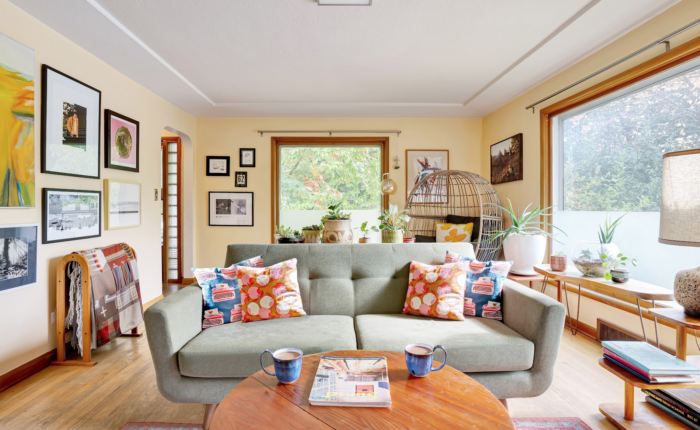

Creating a home is more than simply constructing a building; it is about crafting a sanctuary that balances comfort, functionality, and personal expression. The concept of “home” has evolved over the years, influenced by cultural trends, technological advancements, and shifts in lifestyle preferences. A home is not only a physical space but also a reflection of the inhabitants’ values, needs, and aspirations. This article explores the multifaceted elements of a modern home, offering a detailed guide to designing, organizing, and optimizing living spaces.
- Understanding the Concept of Home
- Key Elements of a Functional Home
- 1. Spatial Layout and Flow
- 2. Interior Design and Aesthetics
- 3. Storage Solutions
- 4. Energy Efficiency and Sustainability
- 5. Smart Home Technology
- Creating Comfortable and Inviting Living Spaces
- Home Maintenance and Upkeep
- The Psychological and Social Impact of Home
- Personalization: Making a Home Truly Yours
- Future Trends in Home Design
- FAQs About Creating a Functional and Comfortable Home
Understanding the Concept of Home
A home is traditionally defined as a place where one lives, but its significance extends far beyond mere shelter. Psychologically, a home provides security, stability, and a sense of belonging. Studies in environmental psychology indicate that well-designed homes can positively affect mental health, productivity, and overall well-being. The emotional connection people feel with their living environment is a critical factor in fostering comfort and contentment.
Modern homes often combine aesthetics with functionality, requiring a balance between design elements, spatial efficiency, and comfort. Homeowners now prioritize spaces that promote health, relaxation, and personal growth, whether through thoughtfully designed layouts, natural lighting, or ergonomic furnishings.
Key Elements of a Functional Home
A home should accommodate daily life efficiently while creating a sense of warmth and harmony. The following elements are essential in crafting a functional living space:
1. Spatial Layout and Flow
The layout of a home significantly impacts its usability and comfort. Open-plan designs have gained popularity due to their ability to foster communication, allow natural light, and create a sense of spaciousness. However, zoning is equally important; private areas like bedrooms and study rooms should offer tranquility and privacy, while communal spaces such as kitchens and living rooms encourage social interaction.
- Open-Concept Living: Promotes flexibility and a sense of openness.
- Defined Zones: Maintain privacy in bedrooms and quiet areas.
- Multi-Functional Spaces: Use rooms for dual purposes, such as a home office in a guest room.
2. Interior Design and Aesthetics
A home’s interior design reflects personal taste while influencing mood and comfort. Key considerations include:
- Color Palette: Neutral colors create calmness, while vibrant tones inject energy.
- Textures and Materials: Wood, stone, and textiles can enhance warmth and sensory appeal.
- Lighting: Layered lighting—ambient, task, and accent—enhances functionality and mood.
- Furniture Selection: Ergonomic and space-conscious furniture improves usability without compromising style.
3. Storage Solutions
Clutter can cause stress and reduce a home’s functionality. Efficient storage solutions help maintain order while maximizing space utilization:
- Built-in cabinets and closets
- Under-bed storage or lofted platforms
- Modular shelving units
- Hidden compartments for minimalistic aesthetics
4. Energy Efficiency and Sustainability
Modern homeowners increasingly prioritize sustainability. Energy-efficient homes not only reduce utility costs but also minimize environmental impact. Key strategies include:
- Installing LED or smart lighting systems
- Using energy-efficient appliances
- Incorporating proper insulation and double-glazed windows
- Implementing water-saving fixtures
5. Smart Home Technology
Technology integration enhances convenience, safety, and efficiency in the home. Smart home devices allow residents to control lighting, security, temperature, and entertainment systems via smartphones or voice commands. Benefits include:
- Energy Management: Automated systems adjust heating, cooling, and lighting.
- Security: Smart cameras, alarms, and locks improve safety.
- Lifestyle Optimization: Voice assistants streamline daily routines.
Creating Comfortable and Inviting Living Spaces
A home must foster both comfort and functionality. Thoughtful furnishing and décor create inviting environments that cater to the family’s lifestyle.
Living Room
The living room serves as a central hub for family interaction and entertaining guests. Key considerations include:
- Comfortable seating arrangements
- Proper lighting for reading and leisure activities
- Strategic furniture placement to allow smooth movement
- Inclusion of personal touches, such as artwork or plants
Kitchen
The kitchen is the heart of daily activity, requiring a combination of ergonomic design and efficient storage:
- Countertop height and layout should minimize strain during cooking.
- Pantry organization ensures quick access to ingredients.
- Durable, easy-to-clean materials improve hygiene and maintenance.
Bedroom
Bedrooms are retreats for rest and relaxation. Design strategies for optimal comfort include:
- High-quality mattresses and bedding
- Soundproofing to reduce external noise
- Soft lighting to create a calming ambiance
- Decluttered space to promote mental relaxation
Bathroom
Bathrooms combine functionality with personal care. Key features include:
- Adequate ventilation to prevent mold and mildew
- Efficient fixtures for water conservation
- Spa-like touches, such as rainfall showerheads or heated floors, to enhance comfort
Home Maintenance and Upkeep
Maintaining a home is crucial for safety, aesthetics, and longevity. Regular upkeep involves:
- Seasonal inspection of plumbing, HVAC, and roofing systems
- Routine cleaning to prevent dust accumulation and allergens
- Scheduled maintenance for appliances and fixtures
- Periodic renovations to update décor or improve energy efficiency
Proactive maintenance not only preserves property value but also ensures that the home remains a healthy and functional environment.
The Psychological and Social Impact of Home
The environment in which we live affects both mental and social well-being. Homes that promote organization, comfort, and accessibility reduce stress and enhance life satisfaction. Additionally, thoughtfully designed communal areas facilitate family bonding and social interactions, supporting strong interpersonal connections.
Research in behavioral sciences shows that homes with natural light, greenery, and calming interiors can reduce anxiety, improve sleep, and enhance productivity. Integrating elements like indoor plants, open windows, and comfortable nooks can create a nurturing atmosphere that positively influences mood.
Personalization: Making a Home Truly Yours
Every homeowner has unique preferences and lifestyle needs. Personalization involves:
- Displaying meaningful artwork, photos, or collections
- Incorporating favorite colors or textures into décor
- Creating spaces dedicated to hobbies or creative pursuits
- Designing layouts that accommodate family routines and individual needs
These elements make a home feel authentic and reflective of its occupants’ identities, fostering emotional attachment and satisfaction.
Future Trends in Home Design
The concept of home continues to evolve with societal and technological shifts. Emerging trends include:
- Sustainable and Green Homes: Emphasis on renewable energy and eco-friendly materials.
- Flexible Workspaces: Design of home offices and remote working areas.
- Health-Oriented Spaces: Indoor air quality monitoring, circadian lighting, and wellness-focused layouts.
- Smart Integration: Greater adoption of AI-powered systems for seamless home management.
These trends indicate that homes will increasingly merge functionality, sustainability, and well-being, responding to both environmental challenges and evolving lifestyles.
FAQs About Creating a Functional and Comfortable Home
Q1: How can I maximize space in a small home?
Utilize multi-functional furniture, vertical storage, and open layouts to create a sense of spaciousness without clutter. Mirrors and light-colored walls also help enhance perception of space.
Q2: What are some cost-effective ways to improve my home’s energy efficiency?
Install LED lighting, use programmable thermostats, add weather stripping to doors and windows, and replace outdated appliances with energy-efficient models.
Q3: How can I make my home more mentally relaxing?
Incorporate natural light, calming color palettes, indoor plants, clutter-free spaces, and quiet zones to create a serene environment.
Q4: What are essential smart home devices for beginners?
Start with smart lighting, a voice assistant, smart locks, and security cameras. These provide convenience, security, and energy savings without overwhelming complexity.
Q5: How often should I perform home maintenance checks?
Conduct routine checks quarterly for major systems like HVAC and plumbing, and seasonally inspect roofing, gutters, and outdoor areas. Regular cleaning and minor repairs should occur monthly or as needed.
Q6: How can personalization improve my home environment?
Personalization creates emotional connection and comfort, making the space uniquely yours. Adding meaningful décor, arranging rooms to suit your lifestyle, and creating dedicated hobby areas enhances satisfaction and well-being.
Q7: What role does lighting play in home design?
Lighting affects mood, productivity, and aesthetics. Layered lighting, including ambient, task, and accent lights, ensures functional use of space while creating a warm, inviting atmosphere.
Creating a home that balances comfort, functionality, and personal expression requires thoughtful planning, design, and maintenance. By addressing spatial layout, interior design, energy efficiency, technology integration, and personalization, homeowners can craft environments that support well-being, productivity, and long-term satisfaction. A well-designed home is more than a living space—it is a sanctuary that nurtures body, mind, and relationships.