
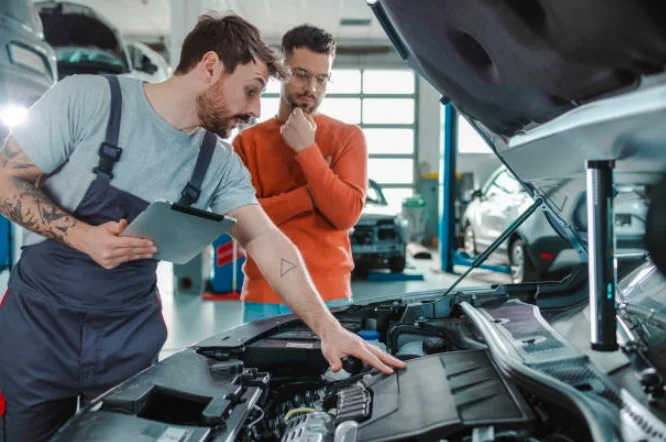

The auto industry has experienced a profound transformation over the past century, evolving from basic mechanical designs to highly sophisticated, connected, and sustainable mobility solutions. This evolution reflects not only technological progress but also changing consumer expectations, environmental concerns, and global economic shifts. In the modern landscape, understanding the intricacies of the auto industry requires a comprehensive exploration of manufacturing innovations, electric and autonomous technologies, supply chain dynamics, and market trends.
- The History and Foundation of the Auto Industry
- Modern Automotive Technologies
- Electric Vehicles (EVs) and Sustainability
- Autonomous Vehicles and AI Integration
- Connected Cars and IoT Integration
- Manufacturing Innovations
- Global Market Dynamics
- The Role of Government Regulations
- Future Trends in the Auto Industry
- FAQs About the Auto Industry
The History and Foundation of the Auto Industry
The auto industry traces its roots back to the late 19th and early 20th centuries, with the emergence of the first internal combustion engine vehicles. Pioneers like Karl Benz and Henry Ford revolutionized mobility by combining mechanical innovation with mass production techniques. Ford’s assembly line, introduced in 1913, dramatically reduced production time and costs, making automobiles accessible to the general population.
Key historical milestones include:
- The invention of the first practical automobile in 1885 by Karl Benz.
- Henry Ford’s Model T in 1908, which popularized affordable cars.
- Introduction of safety and comfort features such as seat belts, airbags, and power steering in the mid-20th century.
- Expansion into global markets during the post-World War II era, driving industrial growth and employment.
These foundational milestones laid the groundwork for the modern auto industry, which now balances innovation, environmental sustainability, and customer-centric design.
Modern Automotive Technologies
Electric Vehicles (EVs) and Sustainability
The shift toward electric vehicles represents one of the most significant trends in the auto industry today. Rising concerns about climate change, government incentives, and advancements in battery technology have accelerated the adoption of EVs. Lithium-ion batteries, fast-charging infrastructure, and energy-dense materials have made EVs more practical for consumers.
Advantages of EV adoption include:
- Reduced carbon emissions, helping meet global climate goals.
- Lower operational costs due to fewer moving parts and reduced maintenance requirements.
- Integration with renewable energy sources, enabling more sustainable energy cycles.
Leading automakers are investing heavily in EV platforms, with models ranging from compact urban vehicles to high-performance luxury cars. Innovations in battery swapping and solid-state batteries are expected to further enhance EV viability and consumer appeal.
Autonomous Vehicles and AI Integration
The development of autonomous vehicles (AVs) is another transformative trend. These vehicles utilize sensors, cameras, radar, and artificial intelligence to navigate roads with minimal human intervention. Autonomous technology has the potential to improve road safety, reduce congestion, and provide mobility solutions for populations unable to drive.
Levels of vehicle autonomy include:
- Level 1: Driver assistance with features like adaptive cruise control.
- Level 2: Partial automation with lane-keeping and steering assistance.
- Level 3: Conditional automation, allowing limited hands-off driving.
- Level 4: High automation in specific conditions.
- Level 5: Full automation, requiring no human input.
Despite technical progress, widespread adoption of AVs faces regulatory, ethical, and safety challenges. Companies are conducting real-world testing to ensure reliability, but market readiness may still be years away.
Connected Cars and IoT Integration
Modern automobiles are increasingly connected through the Internet of Things (IoT). This connectivity allows vehicles to communicate with each other, traffic infrastructure, and mobile devices. Features like predictive maintenance, vehicle-to-vehicle (V2V) communication, and real-time navigation enhance safety, efficiency, and user experience.
Key benefits of connected cars:
- Enhanced safety through collision avoidance systems.
- Smart diagnostics that predict maintenance needs before failures occur.
- Data-driven improvements in performance and energy efficiency.
Connected cars are also laying the foundation for mobility-as-a-service (MaaS), transforming the concept of car ownership into flexible, on-demand transportation solutions.
Manufacturing Innovations
Automation and Robotics
The auto industry has long relied on automation and robotics to streamline production. Modern assembly lines employ robotic arms, automated guided vehicles (AGVs), and AI-driven quality inspection systems. These innovations increase production speed, reduce human error, and improve safety in high-risk manufacturing environments.
Sustainable Materials and Production
Manufacturers are increasingly incorporating eco-friendly materials such as recycled metals, bioplastics, and lightweight composites. These materials not only reduce vehicle weight and improve fuel efficiency but also address growing consumer demand for sustainable practices.
3D Printing and Rapid Prototyping
The use of 3D printing in automotive design accelerates prototyping, customization, and production of complex components. This technology reduces development timelines and allows manufacturers to test innovative designs without large-scale tooling investments.
Global Market Dynamics
Emerging Markets and Consumer Trends
Emerging markets in Asia, Africa, and Latin America are shaping global auto demand. Rising middle-class populations, urbanization, and access to financing options are driving vehicle adoption. Automakers are tailoring models to meet regional preferences, emphasizing affordability, fuel efficiency, and safety.
Supply Chain Challenges
The automotive supply chain has faced unprecedented disruptions due to geopolitical tensions, natural disasters, and the global semiconductor shortage. These challenges have highlighted the importance of resilient and diversified supply chains. Strategies include localized production, advanced inventory management, and supplier partnerships to reduce vulnerability to global shocks.
Market Competition and Innovation
Competition in the auto industry is no longer limited to traditional automakers. Technology companies and startups are entering the market, focusing on electric and autonomous vehicles. This convergence of automotive and tech industries accelerates innovation but also pressures traditional manufacturers to adapt rapidly.
The Role of Government Regulations
Government regulations play a pivotal role in shaping the auto industry. Emission standards, safety requirements, and incentives for electric vehicles influence production strategies and consumer behavior. For instance:
- Corporate Average Fuel Economy (CAFE) standards in the United States regulate fuel efficiency for new vehicles.
- Zero-emission mandates in Europe and California encourage EV adoption.
- Safety regulations dictate crash testing, seat belt standards, and autonomous vehicle policies.
Compliance with these regulations ensures legal operation and helps companies align with environmental and social responsibility goals.
Future Trends in the Auto Industry
- Electrification across all segments: From compact cars to commercial trucks, electrification is becoming standard.
- Integration of AI and machine learning: Vehicles will anticipate driver behavior, optimize energy usage, and improve traffic flow.
- Mobility-as-a-service platforms: Subscription-based vehicle access may reduce private ownership rates.
- Sustainable manufacturing: Circular economy principles will guide material selection, production, and recycling.
- Urban mobility solutions: Micro-mobility options like electric scooters and small urban vehicles will complement traditional autos.
FAQs About the Auto Industry
Q1: How do electric vehicles compare in cost to traditional gasoline vehicles?
Electric vehicles may have higher upfront costs due to battery technology, but total cost of ownership is often lower due to reduced fuel and maintenance expenses. Incentives and tax credits can further improve affordability.
Q2: Are autonomous vehicles safe for public roads?
Autonomous vehicles are rigorously tested, but full safety depends on technology maturity, road infrastructure, and regulatory frameworks. Partial autonomy is widely available, while full autonomy is still under development.
Q3: What materials are commonly used to make cars lighter and more fuel-efficient?
Automakers use lightweight metals like aluminum, composites, high-strength steel, and bioplastics. These materials reduce vehicle weight, improving fuel economy and performance.
Q4: How do connected cars benefit drivers in everyday situations?
Connected cars provide real-time traffic updates, predictive maintenance alerts, emergency assistance, and enhanced safety features such as collision warnings, making daily driving safer and more convenient.
Q5: What factors influence global vehicle demand?
Economic growth, urbanization, fuel prices, consumer preferences, government incentives, and technological adoption all influence vehicle demand across regions.
Q6: How are auto manufacturers addressing supply chain disruptions?
Manufacturers diversify suppliers, localize production, implement advanced inventory management systems, and maintain strategic reserves of critical components like semiconductors to mitigate disruptions.
Q7: Will traditional internal combustion engines disappear soon?
While EV adoption is increasing, internal combustion engines will continue in many regions for the next decade, especially where charging infrastructure is limited. Gradual transition depends on market demand and regulatory pressures.
The auto industry remains a cornerstone of global economic activity, continuously shaped by technological innovation, environmental priorities, and evolving consumer expectations. Understanding its dynamics provides insight into both current market trends and the trajectory of future mobility solutions.