
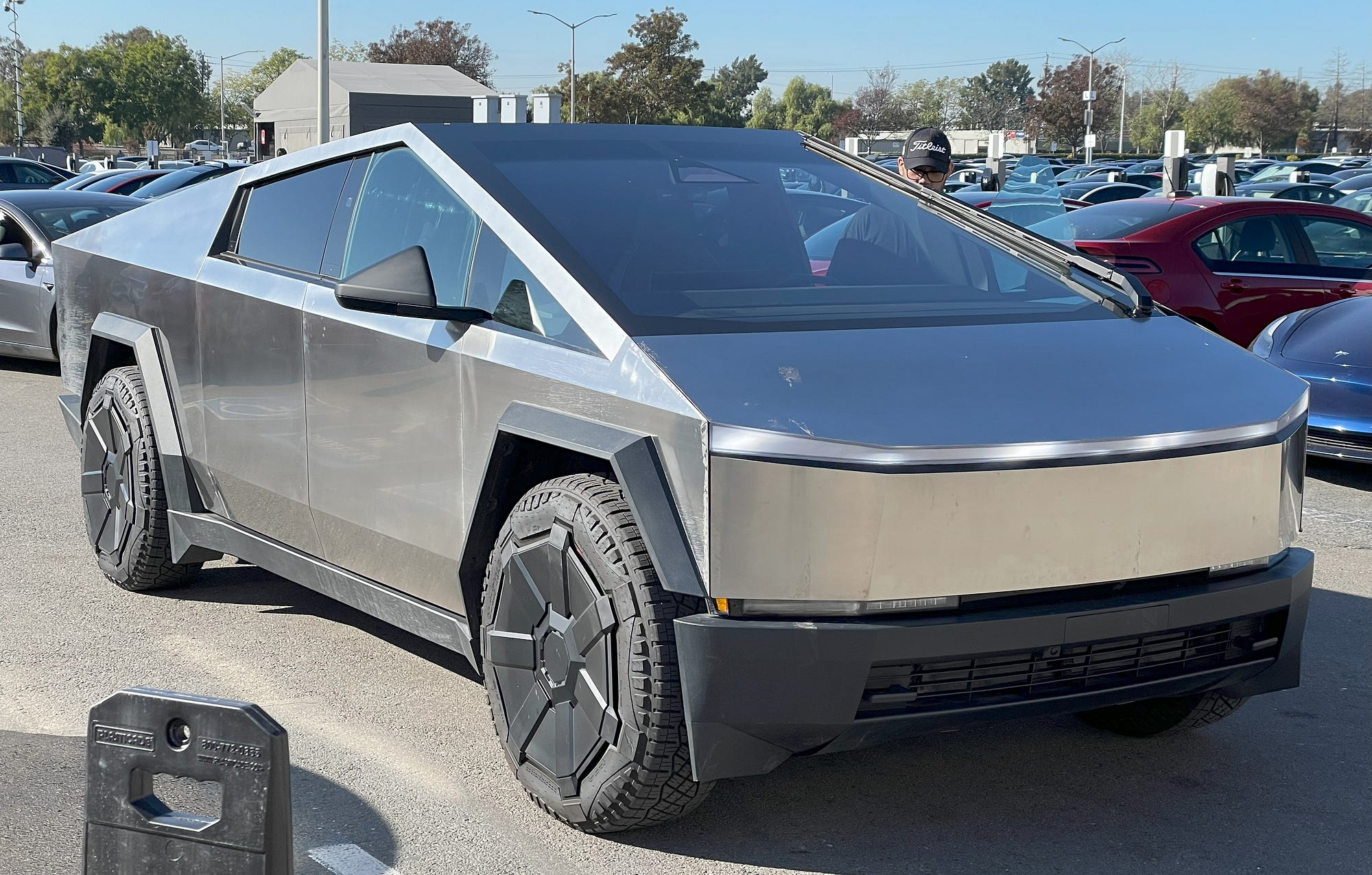

The auto industry sits at the intersection of engineering, lifestyle, and rapid technological change. What was once a simple means of transportation has evolved into a complex ecosystem involving electrification, connectivity, safety systems, and sustainability. This article explores how automobiles are changing, what matters most to today’s drivers, and where the road ahead is leading.
- The Evolution of Automobiles
- Types of Automobiles in Today’s Market
- Auto Technology That Matters Today
- Maintenance and Ownership Essentials
- Environmental Impact of Automobiles
- The Future of the Auto Industry
- Frequently Asked Questions (FAQs)
- 1. What does “auto” generally refer to?
- 2. Are electric cars cheaper to own than fuel cars?
- 3. How often should a car be serviced?
- 4. Do modern cars rely heavily on software?
- 5. Is autonomous driving already available?
- 6. How can drivers reduce their car’s environmental impact?
- 7. What should buyers prioritize when choosing a car?
The Evolution of Automobiles
Cars have transformed dramatically over the past century. Early vehicles focused on basic mobility, while modern automobiles prioritize efficiency, comfort, and intelligence.
Key stages of evolution include:
-
Mechanical era with simple engines and manual controls
-
Safety-focused era introducing seatbelts, airbags, and ABS
-
Digital era with infotainment systems, sensors, and software
-
Electric and autonomous era redefining how cars are powered and driven
Each phase reflects changing consumer expectations and advancements in engineering.
Types of Automobiles in Today’s Market
The modern auto market offers options tailored to different needs and lifestyles.
Passenger Vehicles
-
Sedans – Balanced comfort and fuel efficiency
-
Hatchbacks – Compact, city-friendly, and practical
-
SUVs – Higher ground clearance and spacious interiors
-
Coupes and convertibles – Performance and style-driven
Alternative Power Vehicles
-
Electric Vehicles (EVs) – Zero tailpipe emissions and lower running costs
-
Hybrid Vehicles – Combination of fuel and electric power
-
Plug-in Hybrids – Short electric-only range with fuel backup
Auto Technology That Matters Today
Modern cars are increasingly defined by their software and electronics.
Safety Innovations
-
Advanced driver-assistance systems (ADAS) such as lane keeping and automatic braking
-
360-degree cameras and blind-spot monitoring
-
Adaptive cruise control for long-distance comfort
Connectivity and Convenience
-
Smartphone integration for navigation and media
-
Over-the-air software updates
-
Digital dashboards and voice controls
These features improve both safety and the overall driving experience.
Maintenance and Ownership Essentials
Owning a car goes beyond the purchase price. Smart ownership focuses on long-term reliability and cost control.
Important maintenance practices include:
-
Regular oil and fluid checks
-
Tire rotation and pressure monitoring
-
Brake inspection and timely replacement
-
Software updates for newer vehicles
Preventive maintenance not only extends vehicle life but also preserves resale value.
Environmental Impact of Automobiles
Automobiles contribute significantly to global emissions, which has pushed manufacturers toward cleaner solutions.
Positive industry shifts include:
-
Increased adoption of electric drivetrains
-
Use of recyclable and lightweight materials
-
Improved fuel efficiency standards
Consumers now play a role by choosing vehicles that align with environmental goals.
The Future of the Auto Industry
The next decade will reshape how people interact with cars.
Trends shaping the future:
-
Autonomous driving becoming more reliable and widespread
-
Shared mobility models reducing individual ownership
-
AI-powered vehicle systems learning driver behavior
-
Greater focus on sustainable manufacturing
Cars are moving from being purely mechanical machines to intelligent mobility platforms.
Frequently Asked Questions (FAQs)
1. What does “auto” generally refer to?
The term “auto” is short for automobile and broadly covers passenger vehicles, their technology, maintenance, and industry trends.
2. Are electric cars cheaper to own than fuel cars?
In many cases, yes. Electric cars often have lower running and maintenance costs, though upfront prices may be higher.
3. How often should a car be serviced?
Most vehicles benefit from servicing every 6 to 12 months, depending on usage and manufacturer recommendations.
4. Do modern cars rely heavily on software?
Yes. Software controls safety systems, infotainment, efficiency, and even driving behavior in newer vehicles.
5. Is autonomous driving already available?
Partial automation features exist today, but full self-driving is still under development and regulation.
6. How can drivers reduce their car’s environmental impact?
Regular maintenance, efficient driving habits, and choosing fuel-efficient or electric vehicles make a significant difference.
7. What should buyers prioritize when choosing a car?
Key factors include safety features, reliability, total ownership cost, fuel type, and suitability for daily needs.