
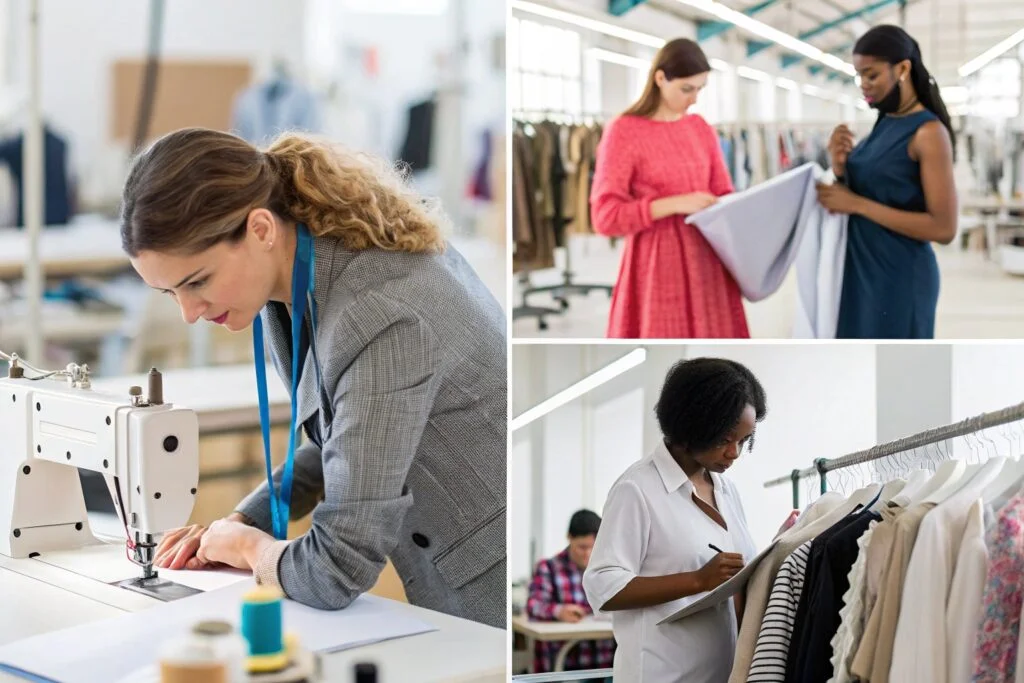

The fashion industry is a multifaceted ecosystem that combines creativity, commerce, culture, and technology. It influences not only what people wear but also how society perceives identity, status, and self-expression. Fashion extends beyond clothing to accessories, footwear, textiles, and lifestyle aesthetics, making it a significant driver of global culture and economy. Understanding the fashion industry requires a deep dive into its historical evolution, current trends, technological integration, sustainability challenges, and the shifting behaviors of consumers worldwide.
- Historical Evolution of Fashion
- Fashion as a Cultural and Social Expression
- Current Trends in Fashion
- Sustainability and Ethical Fashion
- Digital Transformation and Fashion Tech
- Streetwear and the Rise of Subculture Influence
- Gender Fluidity and Inclusivity
- Global Market Dynamics
- Fashion Marketing and Consumer Behavior
- Innovations Shaping the Future of Fashion
- FAQs About the Fashion Industry
Historical Evolution of Fashion
Fashion has always reflected social, political, and cultural contexts. From the elaborate garments of European aristocracy in the 17th and 18th centuries to the rise of prêt-à-porter in the 20th century, each era has defined distinct styles and industry practices.
Key historical milestones include:
- Renaissance Era: Fashion was a symbol of social hierarchy, with intricate designs and luxurious fabrics signifying wealth.
- Industrial Revolution: Mass production of textiles enabled wider accessibility, democratizing fashion for the middle class.
- 20th Century: The emergence of fashion houses, ready-to-wear collections, and designer branding redefined the global fashion narrative.
- Contemporary Era: Globalization and digital platforms have accelerated the dissemination of trends, creating an interconnected fashion ecosystem.
This historical progression highlights how fashion has evolved from exclusivity to inclusivity while continuously reflecting societal values.
Fashion as a Cultural and Social Expression
Fashion operates as a powerful form of cultural expression. It communicates individuality, societal norms, and even political statements. In modern society, clothing choices are often intertwined with identity, subculture affiliation, and personal beliefs.
Examples include:
- Streetwear as a reflection of urban culture and youth identity.
- Sustainable fashion signaling environmental awareness and ethical responsibility.
- Cultural garments representing heritage, such as kimono in Japan or sari in India.
Fashion’s ability to convey meaning beyond aesthetics makes it an influential force in both personal identity and social commentary.
Current Trends in Fashion
Sustainability and Ethical Fashion
Consumer awareness of environmental and ethical issues has reshaped the fashion industry. Brands are increasingly adopting sustainable practices such as eco-friendly fabrics, reduced waste production, and transparent supply chains.
Key components of sustainable fashion:
- Use of organic or recycled textiles.
- Circular fashion models that emphasize repair, resale, and recycling.
- Ethical labor practices, ensuring fair wages and safe working conditions.
Sustainable fashion is not just a niche but a growing segment, with consumers demanding responsibility alongside style.
Digital Transformation and Fashion Tech
Technology has revolutionized fashion design, marketing, and retail. From 3D design software to virtual fashion shows, digital innovation is reshaping industry practices.
Technological advancements include:
- Virtual fitting rooms using AR to simulate garment fit.
- AI-driven trend analysis predicting consumer preferences.
- Blockchain for supply chain transparency and authentication of luxury items.
These innovations enhance customer experience, streamline production, and allow brands to respond rapidly to market trends.
Streetwear and the Rise of Subculture Influence
Streetwear has evolved from casual urban attire into a dominant force in global fashion. Influenced by music, sports, and youth culture, streetwear combines comfort, style, and identity. Collaborations between streetwear brands and luxury labels have further elevated its cultural and economic significance.
Gender Fluidity and Inclusivity
Modern fashion increasingly embraces gender-fluid and inclusive designs, challenging traditional binary norms. Designers are creating collections that cater to diverse body types, genders, and cultural identities, reflecting evolving social attitudes. Inclusive fashion is not only a social statement but also a commercially strategic approach to reach broader consumer demographics.
Global Market Dynamics
Luxury and Fast Fashion Segments
The fashion industry is broadly divided into luxury, mass-market, and fast fashion segments, each with unique dynamics:
- Luxury Fashion: Focuses on high-quality craftsmanship, exclusivity, and brand heritage. High-ticket items target affluent consumers and often act as status symbols.
- Fast Fashion: Prioritizes speed and affordability, rapidly translating runway trends into mass-market products. While commercially successful, it raises concerns about sustainability and labor ethics.
- Mass-Market Fashion: Balances quality, accessibility, and style, catering to middle-income consumers.
Global Supply Chains and Challenges
The fashion supply chain is intricate, involving raw material sourcing, manufacturing, distribution, and retail. Globalization has enabled brands to optimize costs but also introduced vulnerabilities such as geopolitical disruptions, pandemic-induced delays, and labor disputes. Brands are increasingly investing in localized production, transparent sourcing, and automation to mitigate risks.
Fashion Marketing and Consumer Behavior
Consumer engagement in fashion is influenced by social media, influencer culture, and e-commerce platforms. Platforms like Instagram, TikTok, and Pinterest have transformed how trends spread, allowing brands to reach global audiences instantaneously.
Key marketing strategies include:
- Collaborations with influencers and celebrities to boost brand visibility.
- Limited-edition drops creating urgency and exclusivity.
- Immersive digital experiences, such as virtual fashion shows and interactive catalogs.
Consumer behavior now prioritizes not only aesthetics and affordability but also brand ethics, sustainability, and personal resonance with fashion narratives.
Innovations Shaping the Future of Fashion
- Smart Textiles and Wearable Technology: Clothing embedded with sensors to monitor health, adjust temperature, or interact with devices.
- 3D Printing in Apparel: Facilitates complex designs, rapid prototyping, and on-demand production.
- Circular Fashion Economy: Reduces waste by promoting recycling, upcycling, and rental models.
- AI-Powered Customization: Enables personalized clothing recommendations and tailored fit solutions.
- Global Collaboration Networks: Designers and brands collaborating across continents, merging cultural influences for unique collections.
FAQs About the Fashion Industry
Q1: How is sustainable fashion changing consumer habits?
Consumers increasingly prioritize eco-friendly and ethically produced garments. Brands that adopt sustainable practices gain loyalty, while fast fashion faces scrutiny for environmental and social impact.
Q2: What role does technology play in modern fashion?
Technology enhances design precision, optimizes supply chains, and enables immersive consumer experiences. AR, AI, and blockchain are now integral to fashion innovation and transparency.
Q3: How are streetwear trends influencing luxury fashion?
Streetwear injects urban culture and authenticity into luxury collections, attracting younger audiences and driving collaboration between niche brands and high-end labels.
Q4: What does gender-inclusive fashion mean in practice?
Gender-inclusive fashion eliminates traditional binary clothing norms, offering versatile designs that cater to diverse identities and body types, promoting social inclusivity and market expansion.
Q5: How do global supply chains impact fashion pricing and availability?
Complex supply chains influence cost efficiency, production timelines, and inventory management. Disruptions can affect global availability and pricing, highlighting the need for strategic planning and localization.
Q6: How is the circular economy applied in fashion?
The circular economy emphasizes recycling, upcycling, and clothing rental to minimize waste. It promotes longevity of garments and reduces environmental impact throughout the lifecycle of fashion products.
Q7: What are smart textiles, and why are they important?
Smart textiles integrate technology into fabrics for functionality such as temperature regulation, health monitoring, and interactive features, blending fashion with innovation and practicality.
The fashion industry is a dynamic intersection of creativity, commerce, and culture. By embracing sustainability, technological innovation, and inclusivity, it continues to evolve in response to societal values and consumer expectations. Understanding these trends provides insight into both the current landscape and the future trajectory of global fashion.