
Education is a cornerstone of human development and societal progress. From traditional classroom setups to the rapid integration of digital tools, the landscape of education has evolved profoundly. Modern education is no longer limited to rote memorization and standardized testing; it emphasizes critical thinking, creativity, technology integration, and lifelong learning. Understanding the complexities of contemporary education requires a detailed examination of pedagogical approaches, technological innovations, global disparities, and policy impacts.
Historical Evolution of Education
Education has transformed dramatically over centuries. In ancient civilizations, education was largely informal, often based on apprenticeship models or oral traditions. For instance, in Ancient Greece, formal schooling emphasized philosophy, mathematics, and rhetoric, while in medieval Europe, education was primarily religious and reserved for elites.
The 19th and 20th centuries marked a shift toward mass education, driven by industrialization and the recognition of education as a public good. Governments began to establish compulsory schooling laws, standardized curricula, and teacher training programs. These developments laid the foundation for modern education systems, emphasizing literacy, numeracy, and civic knowledge.
Modern Pedagogical Approaches
Student-Centered Learning
Student-centered learning prioritizes the individual needs, abilities, and interests of learners rather than strictly adhering to a teacher-led approach. Techniques such as project-based learning, problem-based learning, and experiential learning enable students to engage actively with content.
Key benefits include:
- Enhanced critical thinking and problem-solving abilities.
- Greater engagement and intrinsic motivation among students.
- Opportunities for collaboration and real-world application of knowledge.
Inclusive and Equitable Education
Inclusive education ensures that all students, regardless of physical ability, socioeconomic background, or learning differences, have access to quality learning experiences. Policies promoting equity include differentiated instruction, accessible technologies, and culturally responsive teaching. Inclusive education not only fosters academic success but also promotes social cohesion and empathy.
Lifelong Learning and Skills Development
Modern economies require continuous skill acquisition. Lifelong learning encourages individuals to update their knowledge throughout their careers. This concept extends beyond formal education, encompassing online courses, professional certifications, vocational training, and informal learning opportunities. The focus on lifelong learning ensures that workers remain adaptable in an increasingly dynamic labor market.
Technology in Education
E-Learning and Digital Classrooms
Digital technologies have transformed the delivery of education. E-learning platforms, virtual classrooms, and Learning Management Systems (LMS) enable remote and asynchronous learning, broadening access to education globally.
Advantages of e-learning include:
- Flexibility in scheduling and pace of learning.
- Access to a wide range of courses and resources.
- Personalized learning experiences using adaptive algorithms.
Artificial Intelligence and Analytics
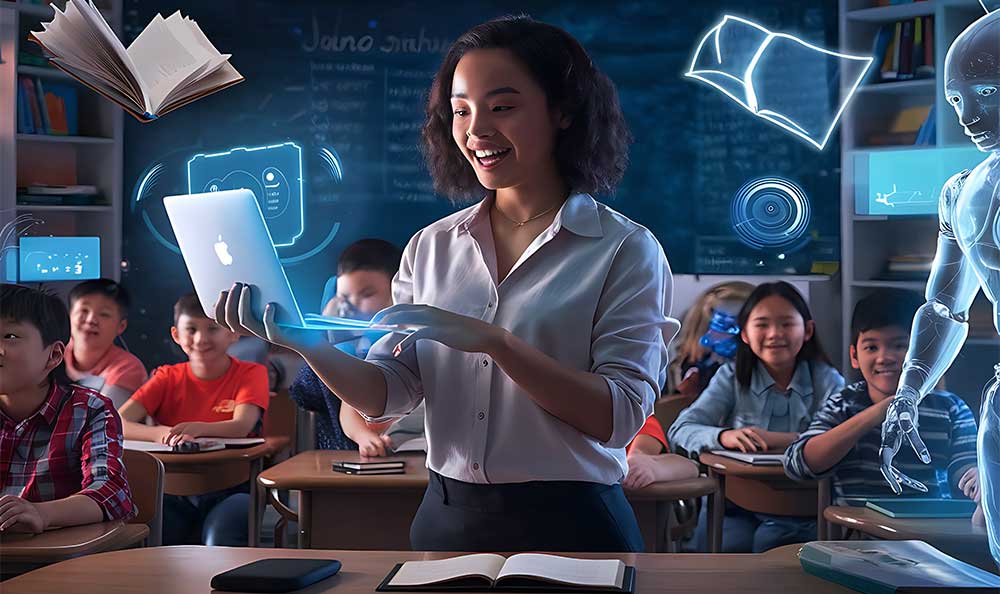
Artificial intelligence (AI) is increasingly integrated into education systems to provide personalized learning pathways, automate grading, and predict student performance trends. AI-driven tools can identify knowledge gaps, recommend targeted interventions, and optimize curriculum delivery.
Examples of AI applications include:
- Chatbots for tutoring and student support.
- Adaptive learning platforms that adjust content based on individual performance.
- Predictive analytics to identify students at risk of falling behind.
Virtual and Augmented Reality
Virtual reality (VR) and augmented reality (AR) offer immersive learning experiences. Students can explore historical sites, conduct virtual science experiments, or simulate complex engineering scenarios. These technologies enhance engagement, retention, and understanding of abstract concepts.
Global Disparities in Education
Despite technological advancements, education access and quality remain uneven globally. Factors contributing to disparities include economic inequality, gender biases, conflict zones, and inadequate infrastructure.
Key challenges include:
- Limited access to quality schools in rural or underserved regions.
- Gender gaps that prevent girls from pursuing education in certain countries.
- High dropout rates due to economic pressures or sociopolitical instability.
Addressing these disparities requires international collaboration, targeted policies, and investment in infrastructure, teacher training, and digital access. Organizations like UNESCO advocate for universal education and aim to achieve Sustainable Development Goal 4, which ensures inclusive and equitable quality education for all.
Policy and Governance in Education
Government policies shape curriculum standards, teacher qualifications, funding allocation, and student assessment methods. Effective educational governance ensures accountability, equity, and quality outcomes.
Trends in educational policy include:
- Emphasis on STEM (Science, Technology, Engineering, Mathematics) education to prepare students for high-demand careers.
- Integration of social-emotional learning (SEL) to support mental health and interpersonal skills.
- Policies supporting vocational and technical education to bridge the gap between academic learning and labor market needs.
Future Trends in Education
- Hybrid Learning Models: Combining in-person instruction with digital platforms to offer flexible, personalized learning experiences.
- Competency-Based Education: Shifting focus from seat time to mastery of skills and knowledge.
- Global Classroom Collaboration: Leveraging technology to connect students across countries, fostering cross-cultural understanding.
- Data-Driven Decision Making: Using analytics to improve teaching strategies, resource allocation, and student outcomes.
- Sustainable Education Practices: Incorporating environmental education and promoting green campuses.
FAQs About Modern Education
Q1: How is technology improving student learning outcomes?
Technology enhances engagement, enables personalized instruction, and provides access to diverse resources. Adaptive learning tools and AI analytics ensure students receive targeted support, improving retention and achievement.
Q2: What role does teacher training play in modern education?
Teacher training equips educators with pedagogical strategies, classroom management skills, and digital competencies. Well-trained teachers are essential for delivering quality instruction and adapting to evolving educational technologies.
Q3: How can education be made more inclusive?
Inclusion requires accessible infrastructure, culturally responsive teaching, differentiated instruction, and supportive policies that address barriers related to disability, language, gender, and socioeconomic status.
Q4: What is the importance of lifelong learning?
Lifelong learning ensures individuals remain competitive in the job market, adapt to technological changes, and continue personal and professional growth throughout their lives.
Q5: How do global disparities affect education quality?
Economic inequality, inadequate infrastructure, and social barriers result in uneven access to quality education. Students in underserved regions often face limited resources, poorly trained teachers, and higher dropout rates.
Q6: What are competency-based education systems?
Competency-based education measures learning based on skill mastery rather than time spent in class. This approach allows students to progress at their own pace and ensures practical, demonstrable knowledge acquisition.
Q7: How are VR and AR changing classroom learning?
VR and AR provide immersive, hands-on experiences that make abstract concepts tangible. These technologies increase student engagement, foster creativity, and enhance comprehension in subjects such as science, history, and engineering.
Education is at the heart of societal advancement, driving innovation, economic growth, and social equity. By embracing technology, fostering inclusivity, and prioritizing lifelong learning, modern education systems can prepare learners for the challenges and opportunities of the 21st century.