
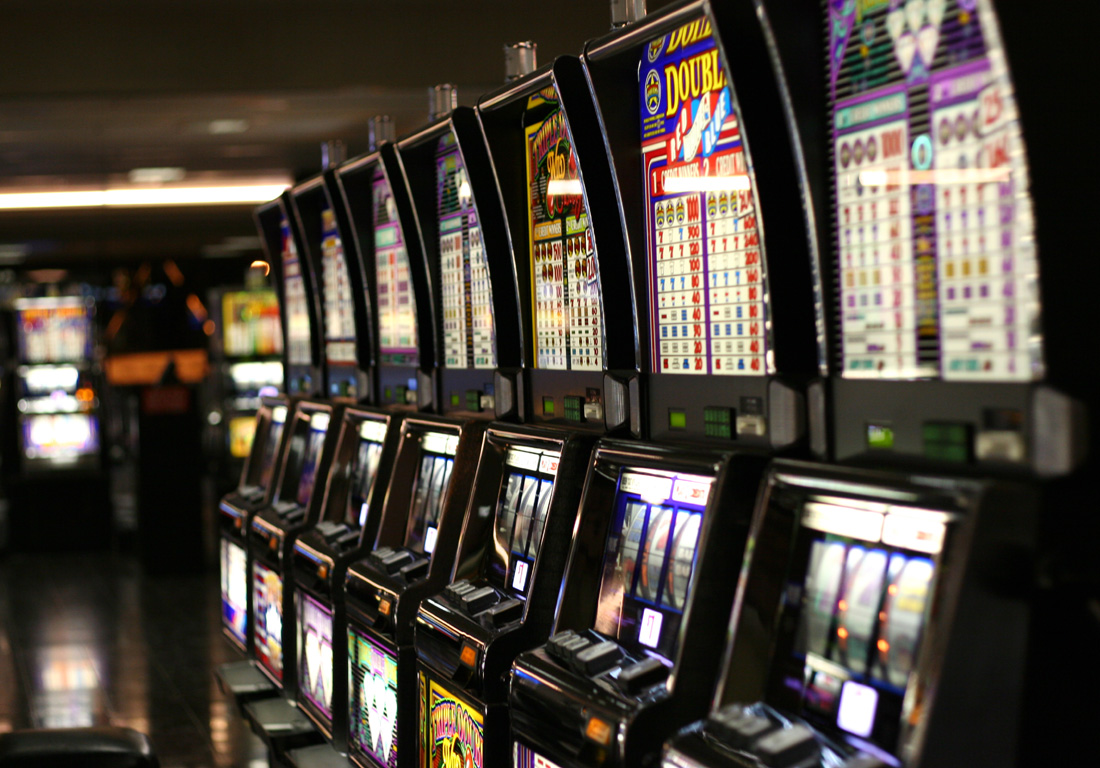

What Is a Casino?
A casino is a venue where people participate in games of chance or skill-based gambling using money or chips. Traditional casinos operate in physical locations, while online casinos provide the same experience digitally with added convenience.
Casinos are commonly associated with:
-
Bright lighting and immersive layouts
-
A wide variety of games under one roof
-
Hospitality features like hotels, dining, and shows
Popular Casino Games Explained
Table Games
Table games are dealer-led and often involve strategic decision-making.
Common table games include:
-
Blackjack – Beat the dealer by reaching 21 without going over
-
Roulette – Bet on where the ball lands on a spinning wheel
-
Baccarat – Predict whether the player or banker hand wins
-
Poker – Skill-focused card games played against other players
Slot Machines
Slot machines are the most accessible casino games and require no prior experience.
Why slots are popular:
-
Simple gameplay
-
Wide themes and bonus features
-
Progressive jackpots with large payouts
Live Dealer and Specialty Games
Modern casinos often offer live dealer tables or specialty games that mix elements of luck and novelty, enhancing realism and engagement.
The Casino Experience Beyond Gambling
Casinos are designed to keep guests entertained even when they’re not playing.
Entertainment and Hospitality
Most large casinos feature:
-
Luxury hotels and resorts
-
Fine dining and casual restaurants
-
Live shows, concerts, and nightlife
-
Spas, pools, and shopping areas
This makes casinos attractive to both gamblers and non-gamblers alike.
Understanding Casino Odds and House Edge
Every casino game has a built-in house edge, which represents the casino’s statistical advantage over players.
Key points to know:
-
Games like blackjack and baccarat have lower house edges
-
Slots typically have higher house edges
-
No strategy can eliminate the house edge entirely
Knowing the odds helps players make informed choices and manage expectations.
Responsible Gambling in Casinos
Responsible play is essential for a healthy casino experience.
Smart gambling practices include:
-
Setting a budget before playing
-
Treating gambling as entertainment, not income
-
Taking breaks and avoiding emotional decisions
-
Knowing when to stop
Many casinos also provide tools and support resources for responsible gambling.
Physical Casinos vs Online Casinos
Both formats offer unique advantages.
Physical Casinos
-
Social atmosphere and live interaction
-
Full entertainment experience
-
Tangible environment and events
Online Casinos
-
Play anytime, anywhere
-
Wider game selection
-
Bonuses, promotions, and flexible stakes
Choosing between them depends on personal preference and lifestyle.
The Future of Casinos
Technology continues to reshape the casino industry.
Emerging trends include:
-
Virtual reality casino environments
-
Mobile-first gaming platforms
-
Enhanced security and fair-play systems
-
Personalized gaming experiences using data
Casinos are adapting to meet modern expectations while preserving classic appeal.
Frequently Asked Questions (FAQ)
What is the safest way to gamble at a casino?
Setting a fixed budget, understanding game rules, and playing for entertainment rather than profit are the safest approaches.
Do casino games rely more on luck or skill?
Most casino games involve luck, but some—like poker and blackjack—also reward skill and strategy.
Are casino games fair?
Licensed casinos use regulated systems and audits to ensure fairness and randomness.
Can you really win money at a casino?
Winning is possible in the short term, but long-term outcomes favor the casino due to the house edge.
Why are casinos designed without clocks or windows?
This design encourages players to stay longer by minimizing awareness of time.
What should beginners play first in a casino?
Slots and low-stakes blackjack tables are beginner-friendly and easy to understand.
How do casinos make money if players sometimes win?
Casinos rely on mathematical advantages across thousands of games played over time, not individual outcomes.